

Conflicting decisions: Q3 2025 supply chain outlook

16 July

Conflicting decisions: Q3 2025 supply chain outlook

In 2025, the emphasis on tariffs is masking critical challenges, including the risk of conflict in the Middle East, which threatens container shipping and energy supplies.

As tensions continue globally, logistics networks remain resilient, adapting to capacity shifts. The EU is set to implement significant regulatory changes, impacting trade with partners like China and India.

In the US, clarity on import duties is expected, but extensions for negotiating to avoid higher tariffs are possible, alongside new tariffs linked to national security.

This evolving scenario may slow global trade growth, pushing logistics managers to balance peak demand with tariff volatility while considering strategic reshoring initiatives favouring the ASEAN (Association of Southeast Asian Nations) region.

Gain vital insights on global trade and supply chains with S&P Global Market Intelligence's Q3'25 Outlook report. 

Related Expert Reports

Slavery-free? Prove it.

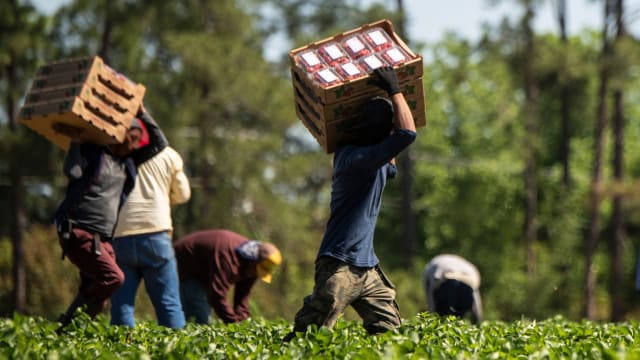
Modern slavery operates in the shadows, but despite growing scrutiny, it's on the rise. This report explores why tackling modern slavery in supply chains remains a persistent challenge for organisations. Based on 600 responses, the British Standards Institution (BSI), in partnership with CIPS, conducted research into why this is. Read the report to get insight into visibility risks, barriers to addressing modern slavery, and practical recommendations to support effective remediation.


The Supply Chain AI Readiness Report

More than half of supply chain professionals are probably using generative AI. But fewer than 1 in 10 of supply chain AI pilots have identified what it takes to translate that enthusiasm into industrial-scale results.

Through our research and interviews with senior supply chain executives, we have identified a group we call the “Performance Elite.”